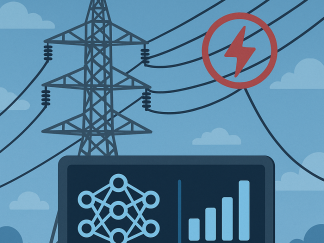



Optimization of Rwanda's Power System Protection
Explore advanced power system protection strategies for preventing blackouts and cascading events, featuring cutting-edge PID controller optimization and grid frequency stabilization techniques.
About This Webinar
Learn advanced power system protection techniques for preventing blackouts and cascading failures, featuring tuned PID controller optimization and grid frequency stabilization methods as presented in the 2022 research publication.
PID Controller Optimization
Advanced tuned PID controller design for optimal grid frequency regulation and power system stability enhancement during disturbances
Cascading Event Prevention
Comprehensive protection strategies to prevent cascading failures and maintain system resilience during major power disturbances
Grid Frequency Stabilization
Real-world case study of Rwanda's power system optimization with proven results in blackout prevention and system security
Research Publication
This webinar is based on published research focusing on Rwanda's power system protection optimization, presenting innovative approaches to prevent power blackouts and cascading events through advanced control systems.
Key Research Focus
Featured Speakers

This webinar features insights from leading researchers in power systems protection and optimization. The research focuses on developing advanced control strategies for preventing power blackouts and cascading events in electrical power systems, with specific application to Rwanda's national grid.
The research team specializes in power system stability, control systems optimization, and grid protection mechanisms. Their work addresses critical challenges in modern power systems including load disturbances, power imbalances, and the prevention of cascading failures that can lead to widespread blackouts.
Research Focus Areas
Technical Expertise
Featured Publication
Ntambara, B., & Umuhoza, R. (2022). "Optimization of Rwanda's Power System Protection in Power Blackouts and Cascading Events." This research presents comprehensive analysis of power system protection strategies with focus on preventing cascading failures and maintaining grid stability.
Webinar Curriculum
A comprehensive exploration of power system protection optimization, blackout prevention strategies, and their contribution to UN Sustainable Development Goals
Overview of power system vulnerabilities | Common causes of blackouts and cascading events | Importance of protection systems in modern grids | Rwanda case study background.
Mechanisms of cascading failures | Load disturbance impacts | Power imbalance consequences | Historical blackout analysis and lessons learned.
PID controller theory and application | Proportional, Integral, and Derivative actions | Controller tuning methodologies | Role in frequency regulation.
Frequency control strategies | Load-frequency control systems | Automatic generation control (AGC) | Primary and secondary frequency response.
Modern protection relay systems | Adaptive protection strategies | Wide-area monitoring systems (WAMS) | Smart grid protection technologies.
Rwanda's grid infrastructure overview | Specific challenges and vulnerabilities | Implementation of optimized protection systems | Results and performance improvements.
Power system modeling software | Simulation of blackout scenarios | Controller performance testing | Validation methodologies and results analysis.
How reliable power systems support SDG 7 (Affordable Clean Energy) | SDG 9 (Industry, Innovation, Infrastructure) | SDG 11 (Sustainable Cities) contributions.
Practical implementation strategies | Cost-benefit analysis | Maintenance and monitoring requirements | Scalability to other power systems.
Open discussion on implementation challenges | Future research opportunities | Emerging technologies in power system protection | Career opportunities in power systems.
Frequently Asked Questions
Register for Free
Join us for this exclusive webinar on power system protection optimization and learn how advanced control systems contribute to reliable and sustainable energy infrastructure.

Supporting UN Sustainable Development Goals
This webinar directly contributes to achieving multiple UN SDG targets through advanced power system protection technologies that ensure reliable, sustainable energy infrastructure.
SDG 7: Affordable and Clean Energy
Advanced power system protection prevents blackouts and ensures reliable energy supply, directly supporting universal access to affordable and dependable electricity.

SDG 9: Industry, Innovation and Infrastructure
Optimized power system protection enhances grid resilience and reliability, supporting sustainable industrial development and innovation.
SDG 11: Sustainable Cities and Communities
Reliable power systems are essential for sustainable urban development, ensuring continuous electricity supply for modern cities and communities.
How This Research Contributes to Global Goals
Energy Security
By preventing power blackouts and cascading failures, advanced protection systems ensure reliable energy access, supporting economic development and improving quality of life for communities worldwide.
Infrastructure Resilience
Optimized power system protection contributes to building resilient infrastructure that can withstand disturbances and maintain service continuity, essential for sustainable development and industrial growth.