In today’s research-driven world, recognition as one of the Stanford University top 2% world scientists has become a prestigious honor. Coveted by academics and universities alike, this list provides a credible, quantitative benchmark of scientific excellence. But how are these leading scientists selected? What criteria does Stanford University use to identify the top 2% of scientists globally? Let’s explore the methodology, key metrics, and far-reaching implications behind Stanford’s world scientists ranking.
What Is the Stanford University Top 2% Scientists List?
The “Stanford University Top 2% Scientists List” is a globally respected ranking that identifies the most influential researchers across various scientific fields. Developed by Professor John P.A. Ioannidis and a professional team at Stanford University, this list adopts a transparent, data-oriented approach to judge scientific impact based on comprehensive bibliometric metrics (Ioannidis et al., 2019).
Since its initial release in 2019 in the journal PLOS Biology (Ioannidis et al., 2019), the Stanford scientists ranking has been updated annually, capturing worldwide attention from academic institutions, funding agencies, and aspiring scientists.
Why This Ranking Matters for Scientists and Institutions
Global Recognition: Being named among the Stanford top 2% scientists not only recognizes individual achievement but elevates the prestige of associated institutions.
Career Advancement: For scientists, inclusion can spark new collaboration opportunities, enhance professional credibility, and help secure research funding.
Benchmark for Excellence: The criteria used help set high research standards and promote merit-based evaluation across different disciplines.
Data Sources: The Foundation of the Stanford List
The Stanford University top 2% world scientists list relies on data from Scopus, one of the largest, globally recognized abstract and citation databases (Elsevier, n.d.). Covering millions of scientific articles and authors, Scopus offers comprehensive, unbiased data across all major disciplines—from medicine and engineering to social sciences and the arts.
Key Selection Criteria: How Are the Top 2% Scientists Identified?
1. Citation-Based Metrics
At the heart of the selection criteria are various citation-based indicators that evaluate both the quantity and quality of a scientist’s research output:
Total Citations: Measures the overall impact of a scientist’s work based on the number of times their published papers are referenced by peers.
H-index: Balances productivity with citation significance. For example, an h-index of 30 means the researcher has at least 30 papers each cited 30 times.
Hm-index (Co-author Adjusted): Modifies the regular h-index to account for the growing trend of collaboration and co-authorship in modern research.
Citations to Single-Authored, First-Authored, and Last-Authored Papers: Specifically highlights significant contributions, leadership roles, and independent work (Ioannidis et al., 2019).
2. Composite Citation Score
Stanford’s unique approach is to generate a composite citation index—a single metric combining several citation indicators. This ensures no single factor, like sheer publication volume, unfairly skews the results. This comprehensive score creates a fairer picture of genuine scientific influence (Ioannidis et al., 2019).
3. Minimizing Self-Citation Bias
To prevent manipulation, self-citations are identified and either excluded or separately tracked (Ioannidis et al., 2019). This maintains list integrity and ensures researchers are recognized for genuine impact, not self-promotion.
4. Field-Adjusted Ranking
Citation practices vary between fields—medical research often has more citations than mathematics, for example. Stanford’s methodology uses field-normalized percentiles to rank scientists within over 170 subfields, ensuring fair, apples-to-apples comparisons (Stanford Data Repository, 2022).
5. Comprehensive Coverage
Both current and retired scientists, living and deceased, are considered. This holistic approach respects contributions to cumulative scientific progress, regardless of an individual’s current status (Ioannidis et al., 2019).
The Cutoff: What Does “Top 2%” Mean?
The top 2% is calculated within each discipline or subfield using the composite bibliometric score, thus scientists in both widely-cited and niche fields are fairly recognized (Ioannidis et al., 2019).
Transparency and Annual Updates
Stanford University publicly shares these lists and the methodology in easily accessible formats. The data is updated each year to account for new publications, shifting career trends, and corrections, assuring ongoing relevance and accuracy (Stanford Data Repository, 2022).
Broader Impact of the Stanford World Scientists Ranking
The inclusion of scientists in the Stanford University top 2% list has resonance far beyond individual accolades—it reshapes how scientific excellence is identified, celebrated, and leveraged globally.
1. Institutional Prestige and Recruitment
Universities, research institutes, and even governments showcase faculty and researchers included in the Stanford list. This not only elevates their own reputation but strengthens their appeal for prospective students, faculty hires, partnerships, and international collaborations. For example, a university with a significant number of scientists on the list may witness increased applications, attract competitive grants, or develop new partnerships—helping them climb institutional and global research rankings (Ioannidis et al., 2019).
2. Promotion of Merit-based Evaluation
The Stanford top 2% world scientists ranking uses quantitative, transparent methodology, moving beyond mere reputational or network-based appointments. This encourages academic and funding bodies to value measurable, high-quality output over subjective markers, fostering fairer promotions and recognitions across countries—especially benefitting researchers in emerging economies or niche fields.
3. Guiding Funding and Policy Decisions
Research funders, governments, and scientific agencies increasingly consult the Stanford list to help guide the strategic direction of grants, fellowships, and policy priorities. By identifying national or global leaders in specific fields, decision-makers can invest resources effectively, target emerging research areas, and promote interdisciplinary work (Ioannidis et al., 2019).
4. Enhancing Collaboration
The visibility offered by this ranking enables scientists to connect for interdisciplinary projects, joint publications, and global initiatives. Being listed signals credibility and achievement—often catalyzing invitations to conferences, editorships, advisory boards, or consultative panels across academia and industry. This international recognition can open doors for both seasoned scientists and early-career researchers.
5. Benchmarking and Self-Assessment
The annual publication of the list allows institutions and researchers to assess their standing relative to peers. Such benchmarking inspires continuous improvement, identifies strengths and gaps, and informs strategic planning for future research endeavors (Stanford Data Repository, 2023).
6. Encouraging Best Practices in Research Metrics
By openly publishing its methodology, Stanford promotes responsible and transparent use of citation metrics. This stands as a model for ethical assessment and counters misuse, such as metric manipulation or overemphasis on quantitative evaluation—a common challenge in academia (Ioannidis et al., 2019).
7. Community and Societal Impact
Public recognition of trustworthy scientific contributions enhances community trust in science, potentially increasing science literacy and support for research funding. The global reach inspires young scientists and contributes to a culture of evidence-based decision making, both in academia and society at large.
Criticisms and Limitations
Despite its objectivity, the Stanford selection criteria have faced some criticism:
Citation Inequality: Citation rates vary by discipline and geography, potentially impacting results.
Database Coverage: Scopus may underrepresent books, local-language journals, and some humanities disciplines (Elsevier, n.d.).
Potential for Gaming: While self-citation is controlled, citation practices can sometimes inflate apparent impact.
Broader Impact Excluded: Metrics focus on research papers, not teaching, social, or policy impact (Ioannidis et al., 2019).
Frequently Asked Questions (FAQs)
Q1: How often is the Stanford University top 2% world scientists list updated?
A: The list is usually updated annually. Each edition incorporates newly published work, citation data, author profile corrections, and methodological improvements—ensuring ongoing relevance. The latest releases, including comprehensive datasets and updates, are publicly accessible via Elsevier’s Digital Commons Data repository (Stanford Data Repository, 2022).
Q2: Does the Stanford list consider all scientific fields and subfields?
A: Yes, the methodology covers more than 170 different scientific disciplines or subfields, as classified by the Scopus database. This ensures robust, fair representation for scientists across the sciences, engineering, medicine, social sciences, and even certain areas of the arts and humanities (Ioannidis et al., 2019).
Q3: What criteria are used for selecting top 2% scientists?
A: Selection is based on a multifactorial composite of citation indexes, including:
Total citations
H-index and co-authorship adjusted Hm-index
Citations to single-, first-, and last-authored papers
Exclusion of self-citations
Discipline-specific (field-weighted) ranking
Details of these metrics and how they are combined for the composite score are documented in the methodology (Ioannidis et al., 2019).
Q4: What if a scientist changes their name, moves institutions, or works under multiple affiliations?
A: Author identification in Scopus employs algorithms and manual checks to consolidate multiple name variations, institution changes, or merged profiles as accurately as possible. However, as with any large-scale bibliometric study, occasional mismatches or split profiles can occur, which the Stanford team addresses through periodic updates (Stanford Data Repository, 2022).
Conclusion: Shaping the Future of Scientific Measurement
The Stanford University top 2% world scientists ranking stands out for its transparent, data-driven approach and comprehensive coverage across global scientific disciplines. By utilizing robust citation metrics, field-standardized comparisons, and composite scoring, it provides an objective way to recognize the world’s most influential scientists (Ioannidis et al., 2019).
As academic evaluation continues to evolve with big data, Stanford’s criteria for the top 2% of world scientists set a global benchmark—encouraging responsible use of research metrics and motivating excellence in research (Stanford Data Repository, 2022).
Updated List:
August 2025 data-update for “Updated science-wide author databases of standardized citation indicators”(https://elsevier.digitalcommonsdata.com/datasets/btchxktzyw/8)
Reference Links :
Ioannidis J. (2022) September 2022 data-update for Updated science-wide author databases of standardized citation indicators. (https://elsevier.digitalcommonsdata.com/datasets/btchxktzyw/4)
Ioannidis J. (2024). August 2024 data-update for Updated science-wide author databases of standardized citation indicators (https://elsevier.digitalcommonsdata.com/datasets/btchxktzyw/7)
Ioannidis J., Klavans R., Boyack K. (2019). A standardized citation metrics author database annotated for scientific field (https://journals.plos.org/plosbiology/article?id=10.1371/journal.pbio.3000384)








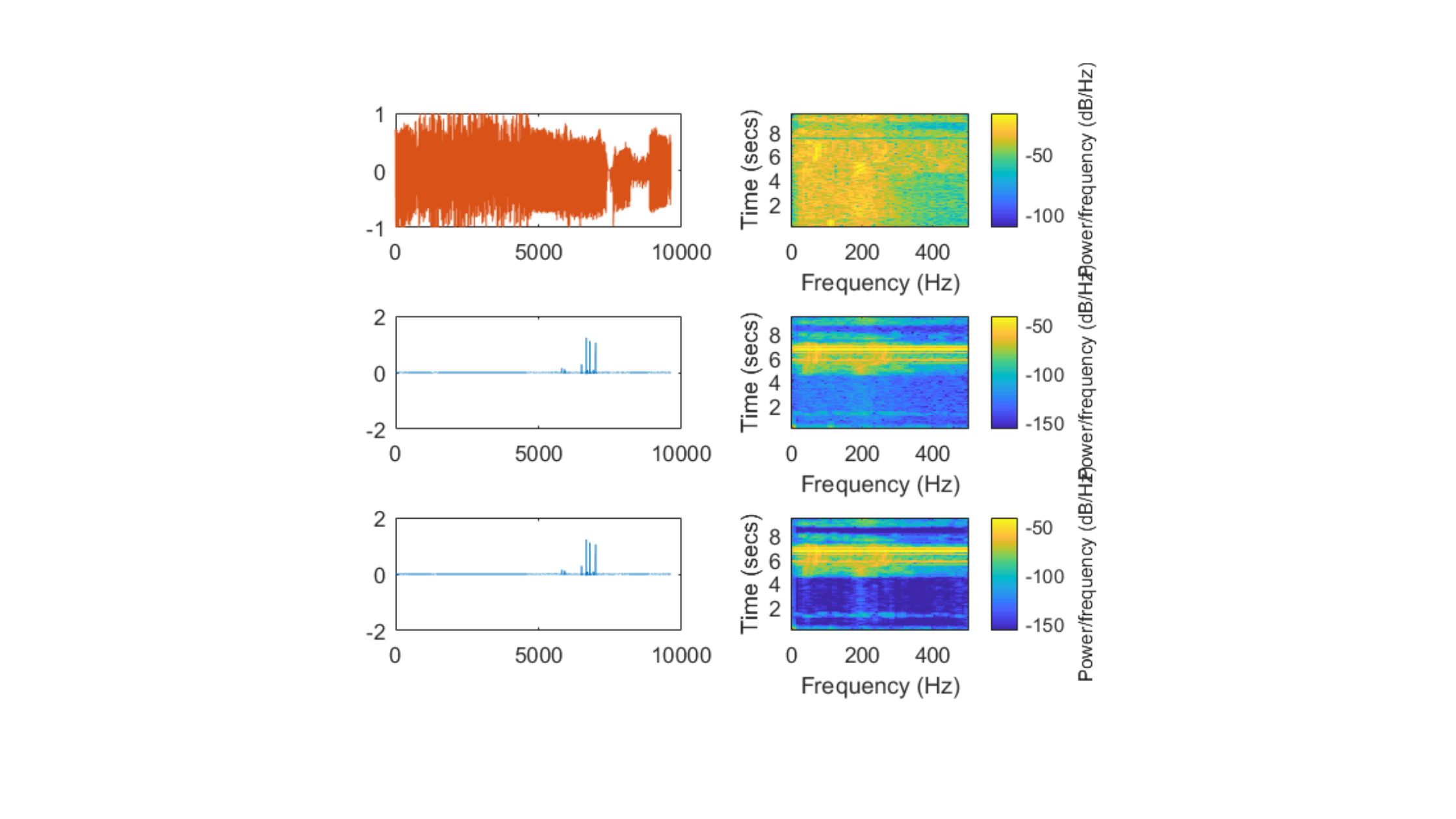




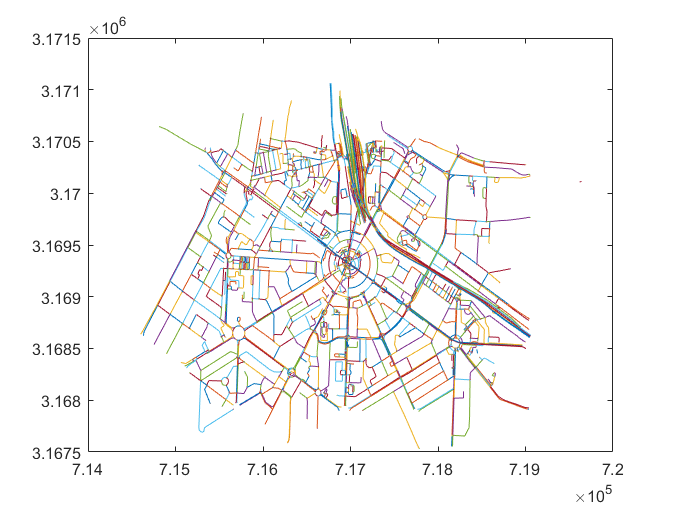
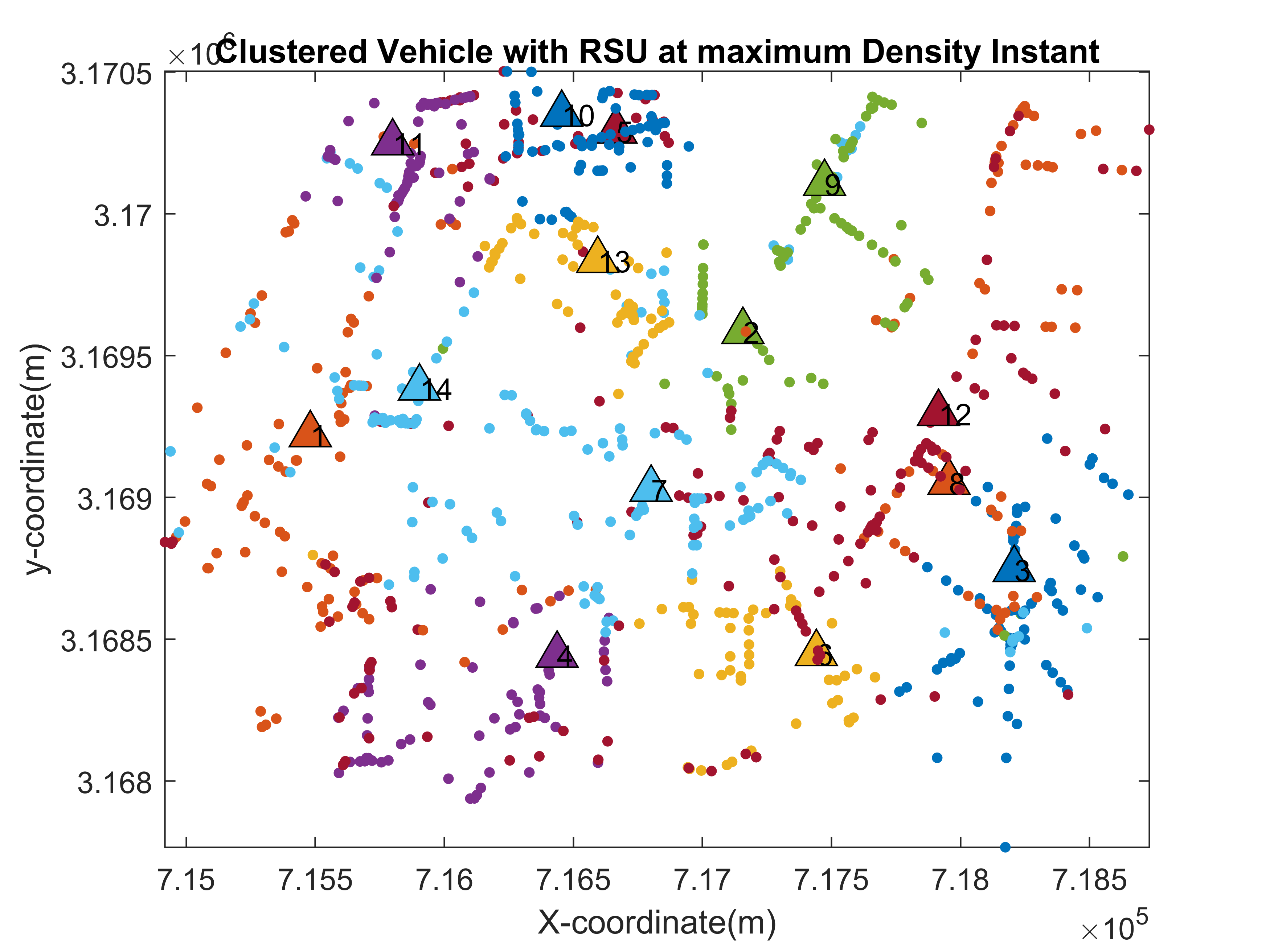
























 comparison results from the study by Chen, Y(2023)



















 The results of behaviour identification as discussed in the study by Chen et al. (2023).