


Nanoparticles Advancement in Surface Skin Therapy
Explore cutting-edge advances in nanoparticle-enabled topical and transdermal therapies: formulation strategies, surface functionalization, penetration mechanisms, controlled release and clinical translation.
Register Now - FreeAbout This Webinar
This technical webinar focuses on scientific and translational aspects of nanoparticle-based surface skin therapy. Topics include nanoparticle design (lipid, polymeric, inorganic), strategies to enhance dermal penetration, safety and toxicity evaluation, controlled-release systems, and clinical implications for dermatology and cosmetology.
Research Publications
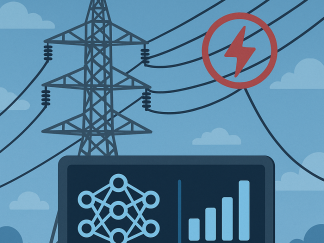
This webinar highlights key advancements in AI-powered cyber defense, mathematical modelling of cyber risks, and simulation-driven analysis used to predict, prevent, and mitigate complex cyber threats across modern digital environments.
Edition Smart Agriculture for Sustainable Practices The Role of AI, IoT, and Machine Learning Edited By S. N. Kumar, Sherin Zafar, Arun S, Sameena Naaz, M. M. Sufyan Beg, Eduard Babulak Copyright 2026, ISBN 9781032975016 376 Pages 66 B/W Illustrations
December 3, 2025 by Chapman & Hall, in pressAshish Bagwari, Jorge Luis Victoria Barbosa, Eduard Babulak, Durg Singh Chauhan: "Emerging Wireless Technologies and Sciences"
Second International Conference, ICEWTS 2024, Uttarakhand, India, October 6–7, 2024, Proceedings, Part of the book series: Communications in Computer and Information Science (CCIS, volume 2399), Publisher Springer Cham, Softcover ISBN 978-3-031-87885-5, Series ISSN 1865-0929, Series E-ISSN 1865-0937, 26 April 2025, published.Eduard Babulak: "Advances in Digital Transformation - Rise of Ultra-Smart Fully Automated Cyberspace"
published on July 17th 2024, IntechOpen, London, UKS. N. Kumar, Sherin Zafar, Eduard Babulak, M. Afshar Alam, Farheen Siddiqui, "Artificial Intelligence in Telemedicine: Processing of Biosignals and Medical images",529949- IMVRA Series, 1st edition
published in August 2023Eduard Babulak, "Chatbots - The AI-driven Customer Front-line Services"
published September 13th, 2023Key Technology Domains
Featured Speaker

Webinar Curriculum
A focused program covering scientific foundations, formulation practice, characterization, safety, and translational case studies relevant to nanoparticle-enabled skin therapies.
Overview of cerium oxide nanoparticles (CeO₂ NPs) and their unique redox-driven antioxidant behavior (Ce³⁺/Ce⁴⁺).
Focus on how CeO₂ nanoparticles interact with biomolecules at the nano–bio interface, including proteins, lipids, and extracellular matrices.
Principles of designing CNPs with controlled particle size, morphology, and Ce³⁺/Ce⁴⁺ ratio for targeted biological behavior.
Analytical techniques (TEM, DLS, XRD, FTIR, zeta potential) to evaluate CNP structure, size, surface chemistry, and stability.
Evaluation of oxidative stress modulation, cytotoxicity, membrane integrity, and inflammatory response associated with CeO₂ nanoparticles.
Emerging concepts such as artificial-cell-inspired nanosystems for enhanced skin therapy. Advances in designing smart, responsive CeO₂ nanoparticle platforms with adaptive redox regulation.
Emerging trends: theranostic nanoparticles, AI-assisted formulation design, personalized topical therapeutics, and green manufacturing for scalable production.
Frequently Asked Questions
Reserve Your Spot Today
Limited seats available. Register to learn from an expert in nanoparticle therapeutics and dermal delivery.
Register Now
Supporting UN Sustainable Development Goals
This research contributes to health, innovation, and responsible production by enabling safer and more effective topical therapies and greener nanoparticle manufacturing.

SDG 3: Good Health and Well-Being
Nanoparticle-based skin therapies enhance topical drug delivery, transdermal penetration, and localized treatment of dermatological conditions. By improving bioavailability and reducing systemic side effects, these nanosystems support better patient outcomes, faster healing, and more targeted therapies for skin infections, inflammation, wounds, and cosmetic dermatology.

SDG 9: Industry, Innovation and Infrastructure
Advancements in nanoparticle-enabled skin therapy—such as surface functionalization, controlled release systems, nanoemulsions, lipid nanoparticles, and follicle-targeting carriers—drive innovation in pharmaceutical and cosmetic industries. These technologies promote the development of next-generation dermal formulations, strengthening research capacity, industrial upskilling, and high-tech healthcare infrastructure.

SDG 12: Responsible Consumption & Production
Green synthesis methods for skin-therapy nanoparticles, biodegradable nanocarriers, and energy-efficient formulation processes help reduce environmental impact. Eco-friendly nanoparticle production ensures safer residues, less chemical waste, and more sustainable manufacturing of dermatological and cosmetic products.
How This Research Contributes to Global Goals
Health Impact
Improved delivery systems enable targeted treatments, reducing side effects and increasing therapeutic efficacy for skin conditions.
Innovation
Novel nanoparticle platforms and characterization tools accelerate translational research and product development.
Sustainable Production
Adoption of green chemistry and energy-efficient processing supports sustainable manufacturing pathways.
Registration
Error: Contact form not found.